Reaction Kinetics
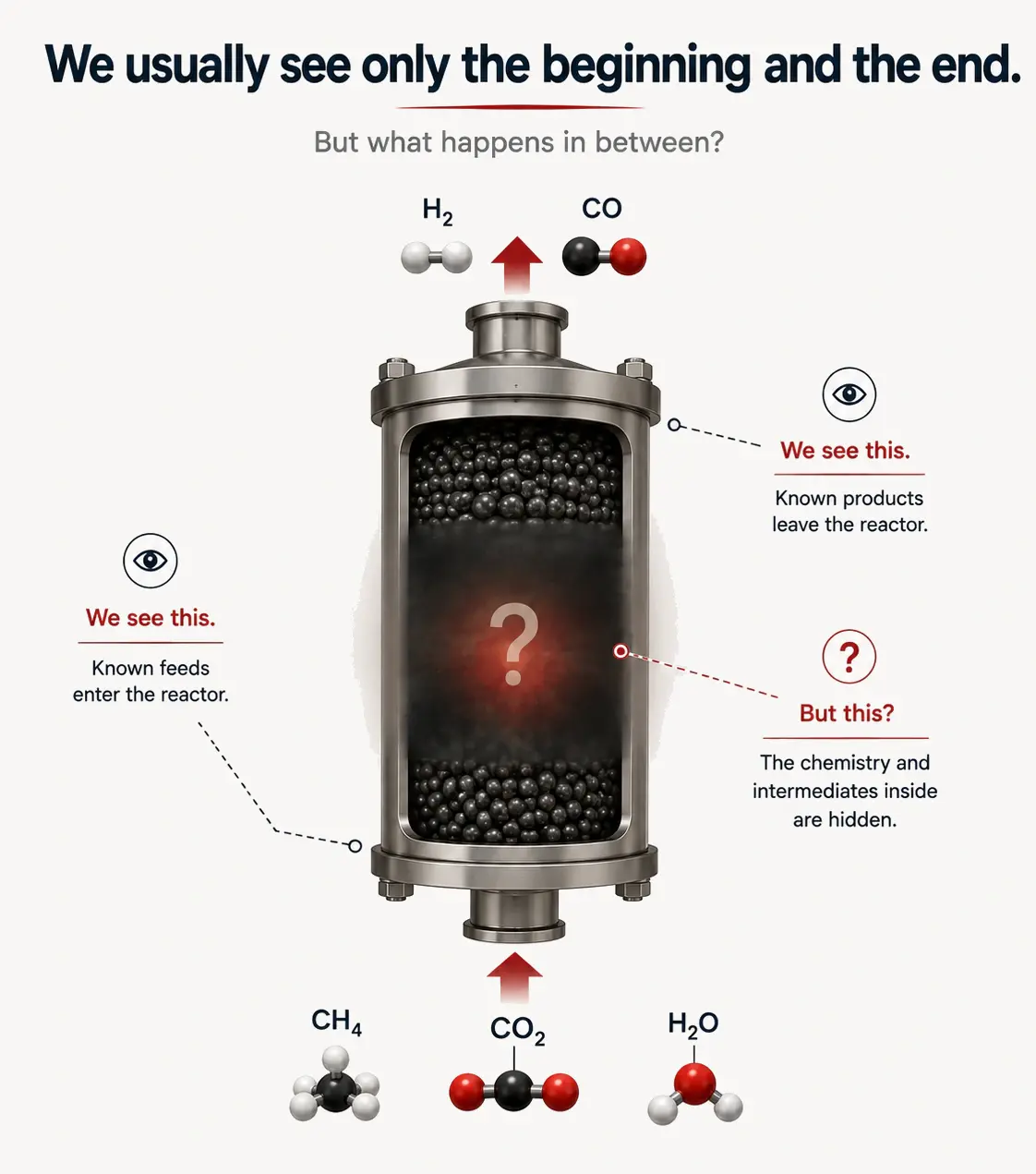
Can RMG Show What Really Happens on a Catalyst?
M² Engineering
Exploring biogas bi-reforming over nickel with the Reaction Mechanism Generator
Explore technical articles, computational studies, and engineering perspectives across CFD, coupled physics simulation, thermal and process engineering, optimization, and Neural Operators.
Applied studies that connect a physical system, a modeling approach, and an engineering conclusion.
M² Engineering
Exploring biogas bi-reforming over nickel with the Reaction Mechanism Generator
M² Engineering
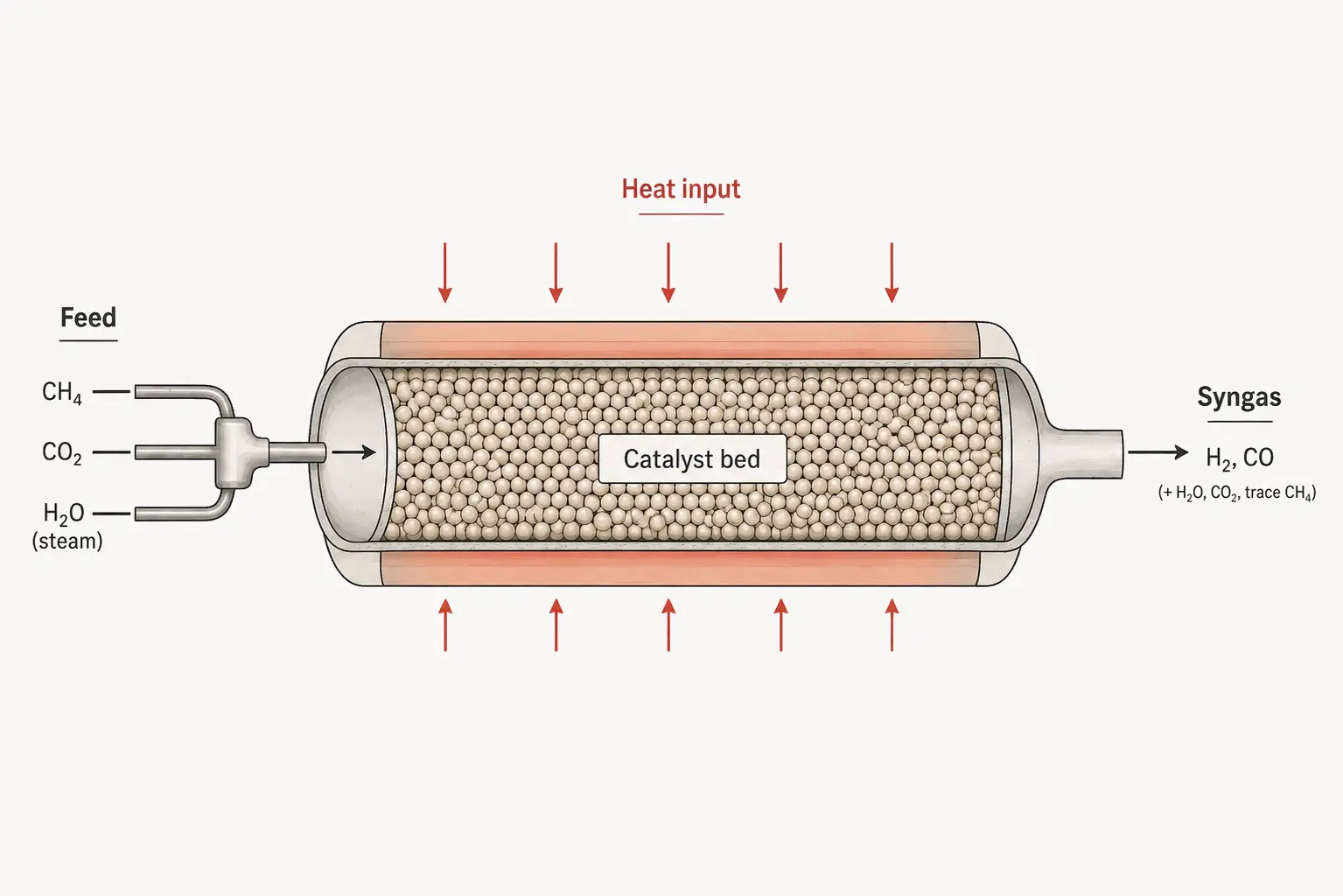
From Molecules to Reactor Prediction
M² Engineering
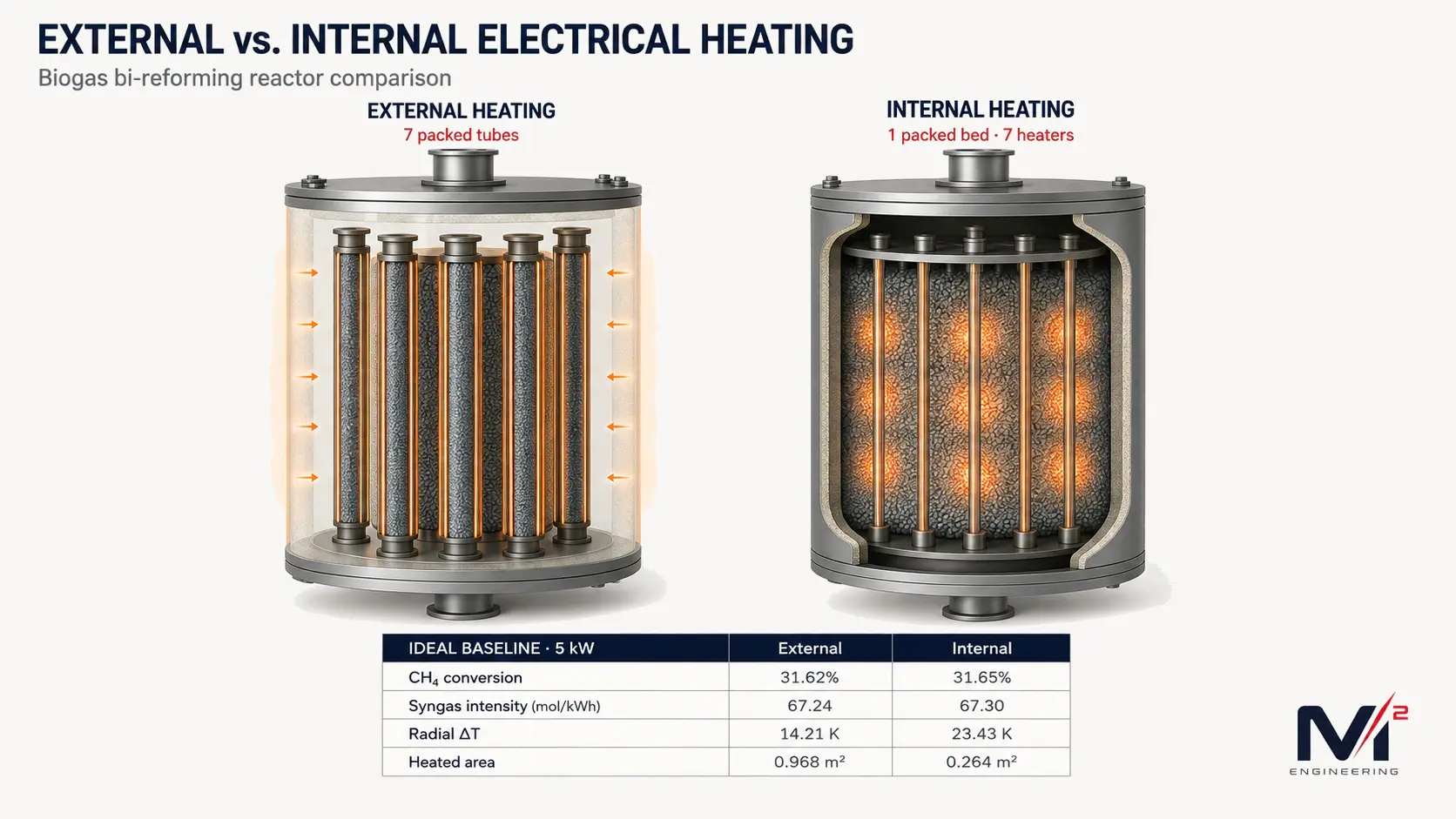
What heated area, thermal distance, and reactor packaging reveal beyond heater location
M² Engineering
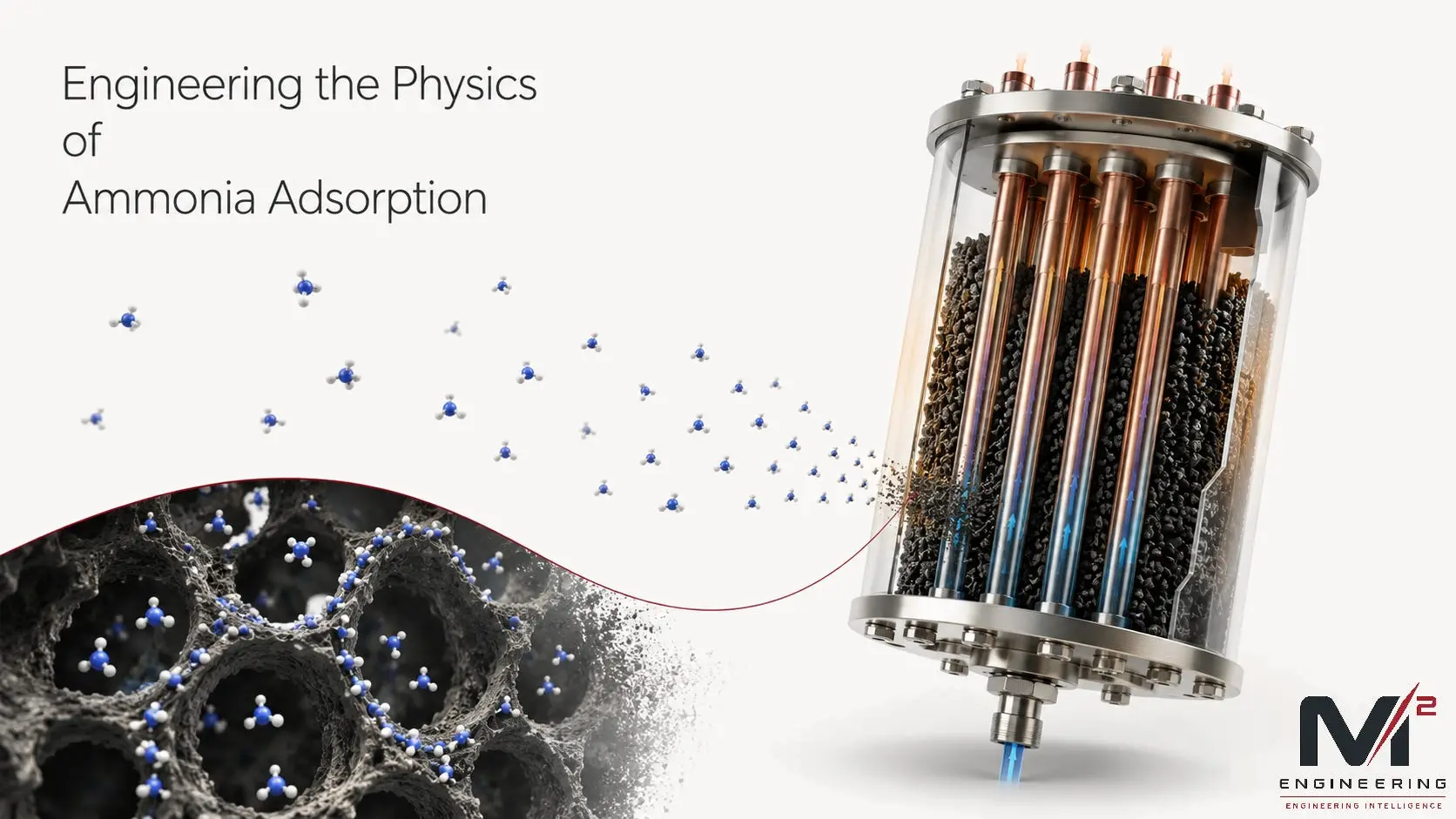
An ammonia adsorption heat pump model that starts from conservation laws to clarify energy and mass balances before software choices.
M² Engineering
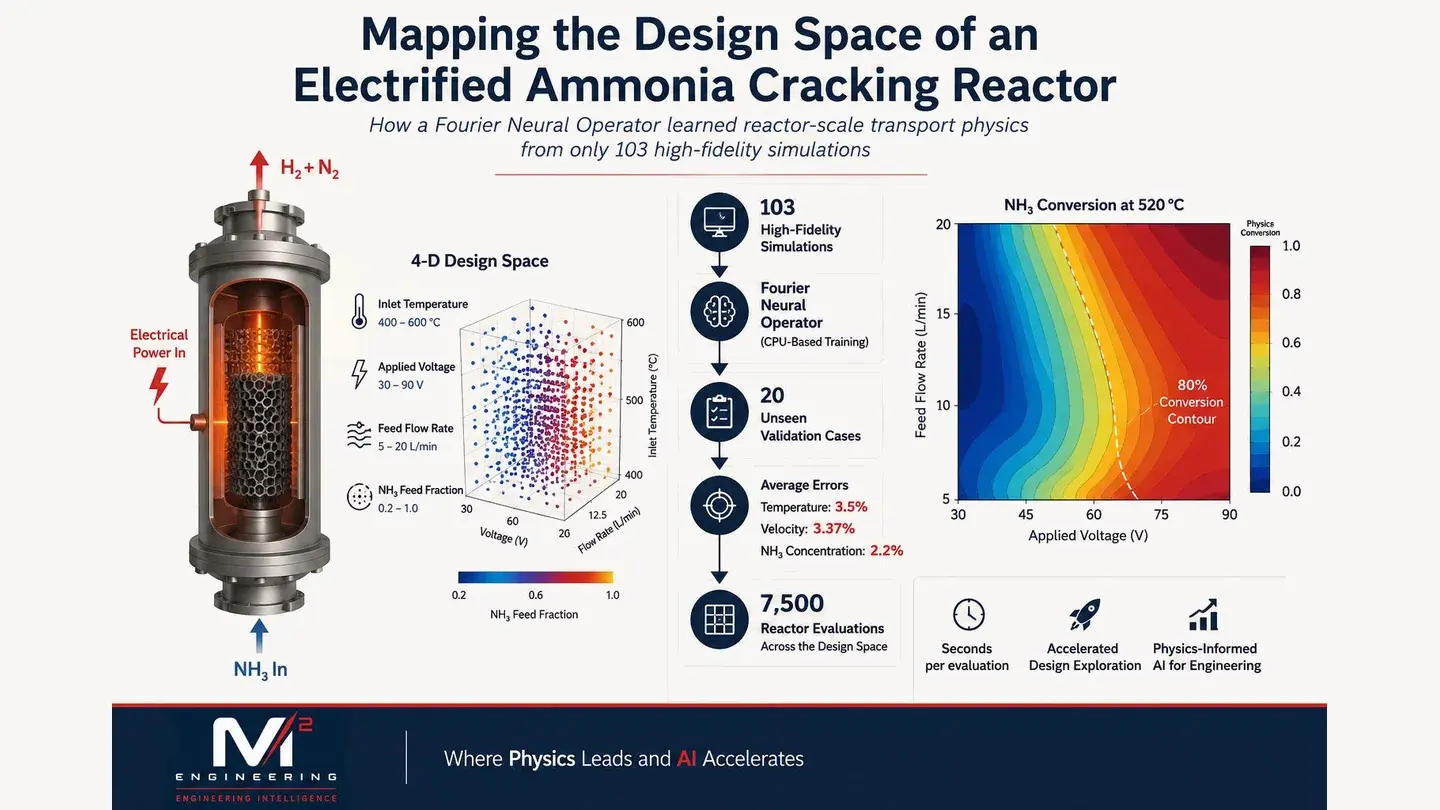
A surrogate trained on 103 high-fidelity reactor simulations was then used to evaluate about 7,500 design points inside a defined parameter space.
M² Engineering
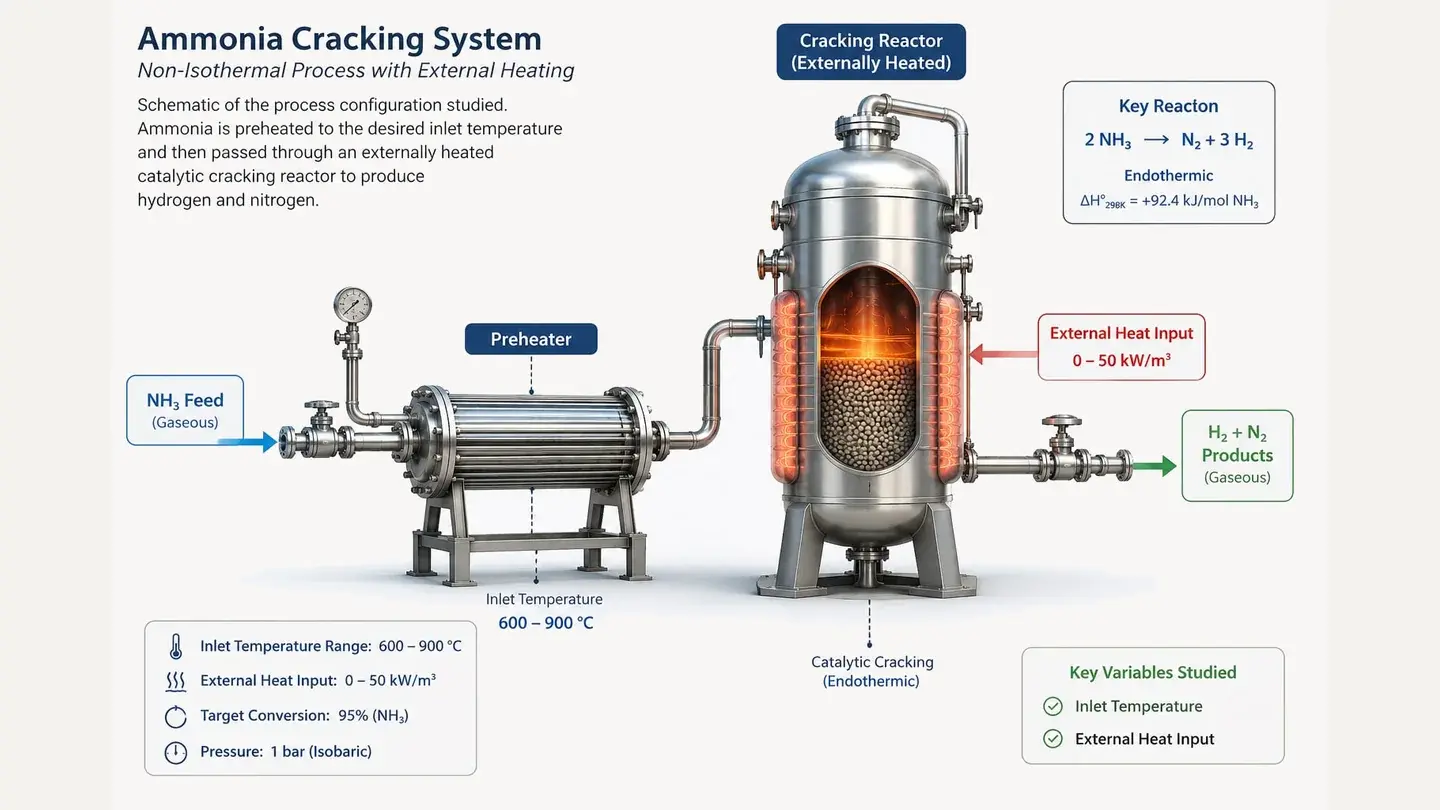
Why temperature alone does not fix ammonia cracking: reactor sizing, conversion, and energy demand must be treated together.
M² Engineering
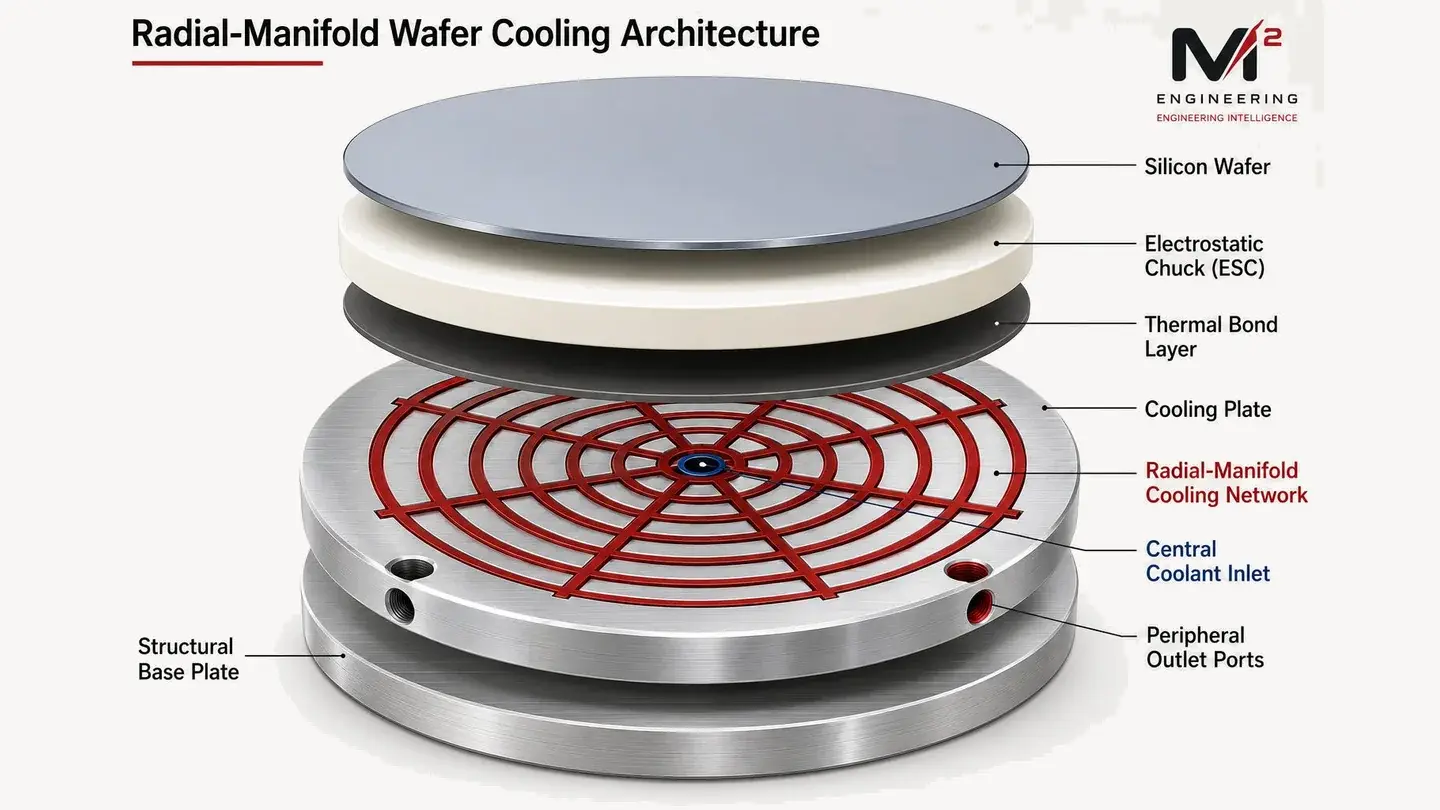
Compares wafer cooling architectures for plasma-induced hotspots and shows how manifold design affects temperature uniformity on 300 mm wafers.
Arguments and methods for using neural operators and AI-assisted workflows without displacing physical reasoning.
M² Engineering
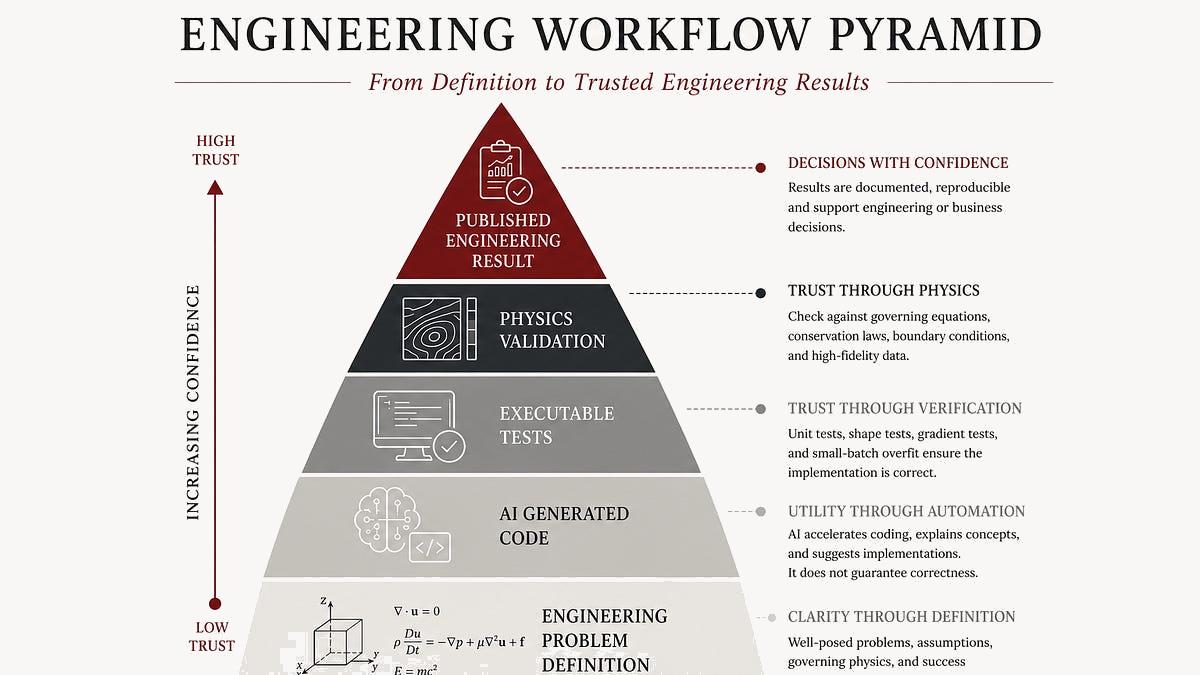
Serious engineering AI workflows depend on problem framing, data discipline, and validation more than on subscription tools.
M² Engineering
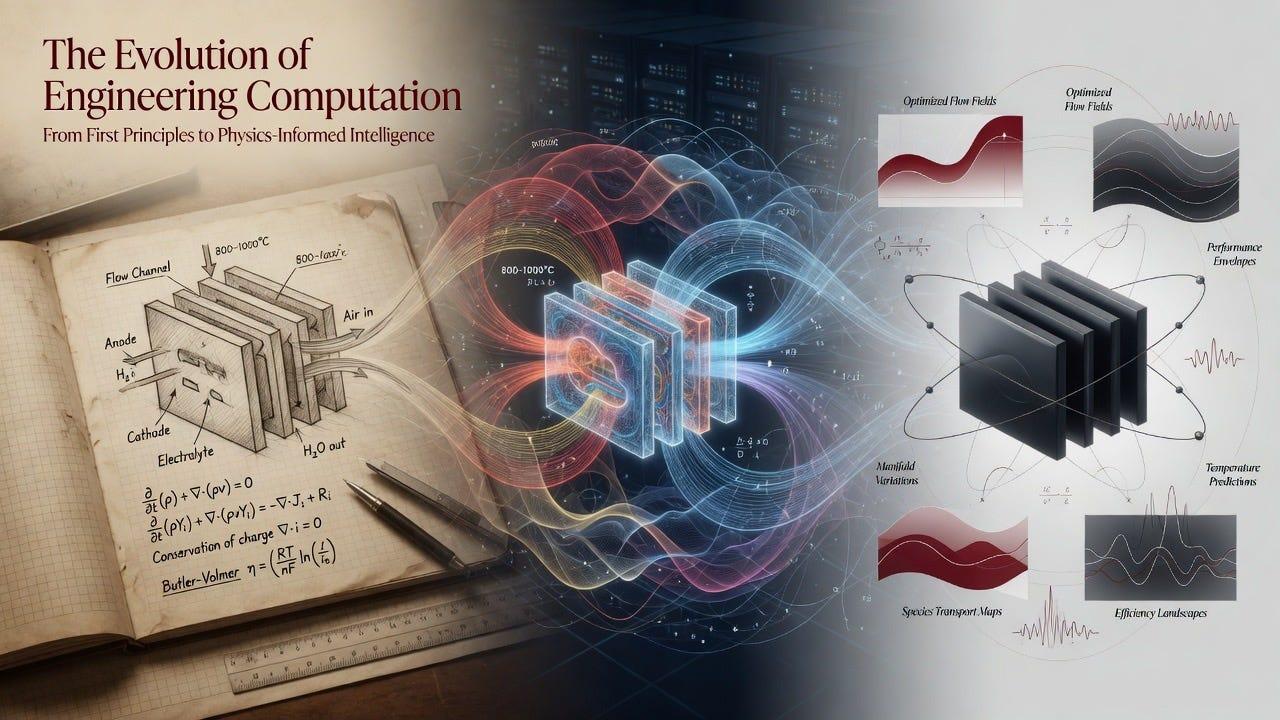
Why neural operators are advancing beyond PINNs for engineering field prediction and design-space evaluation.
M² Engineering
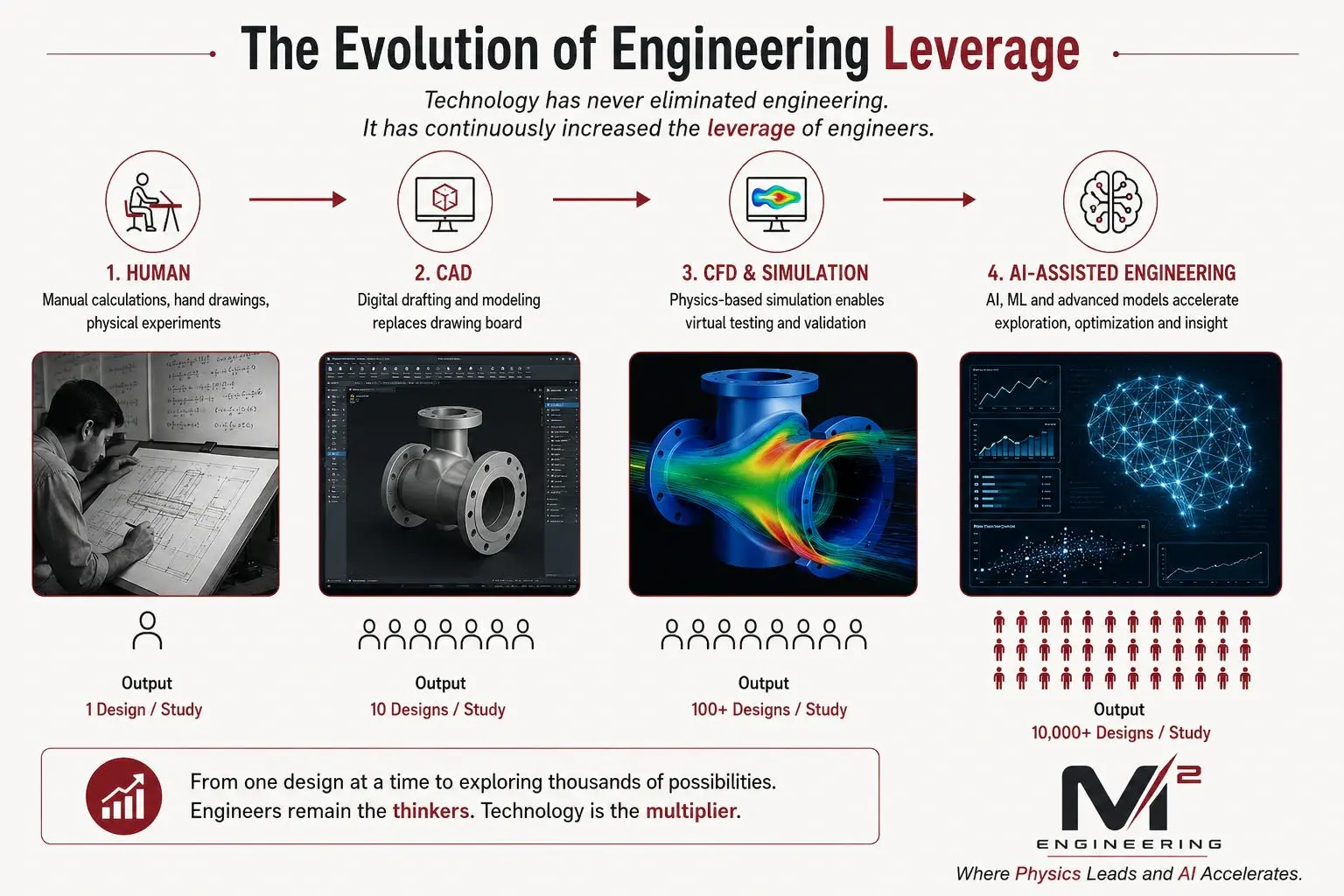
AI changes who can execute technical work quickly, but advantage still belongs to engineers who combine computation with physical understanding.
Essays on judgment, system-level thinking, and where engineering time is actually spent.
M² Engineering
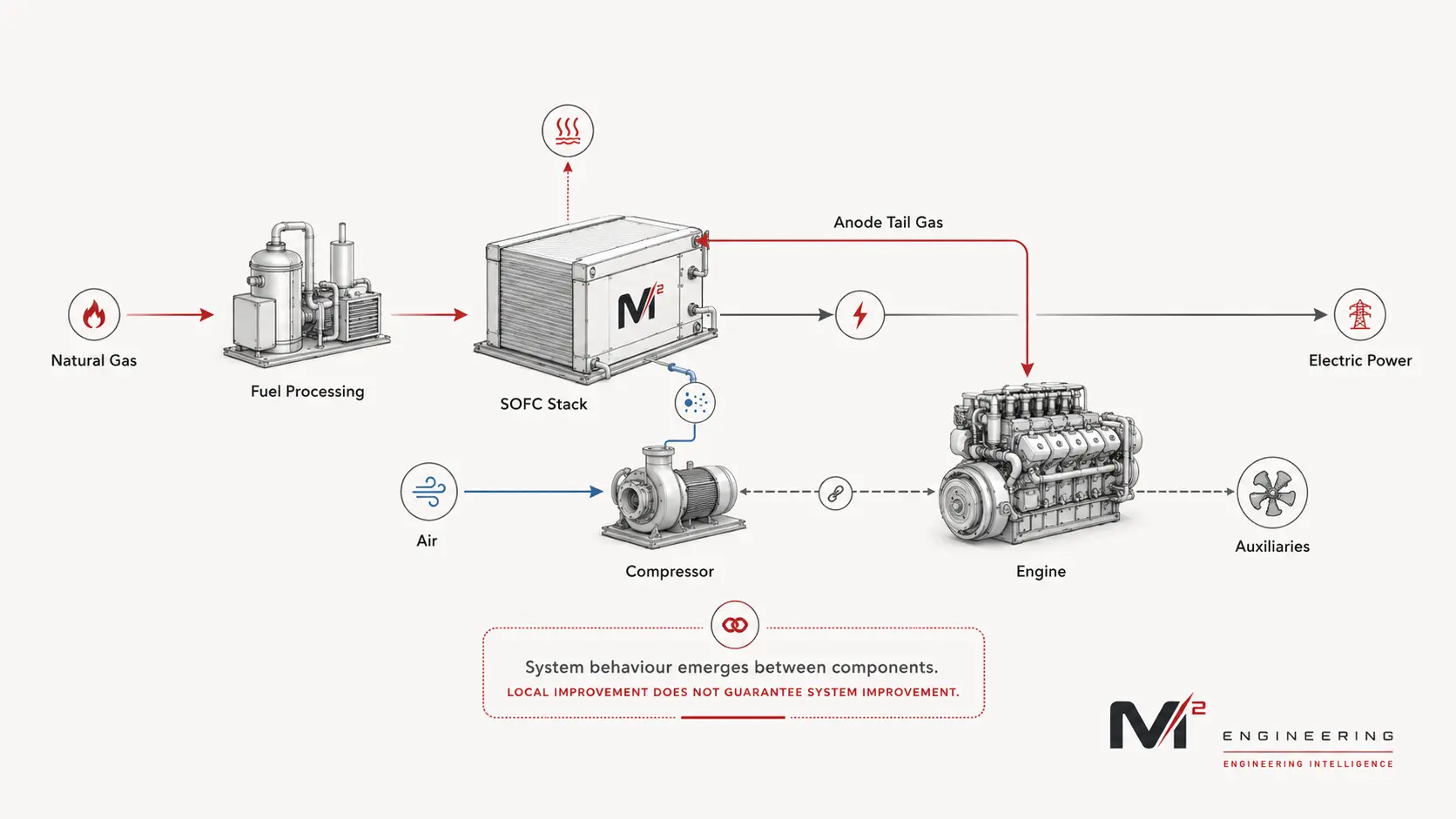
Shows why a locally optimized component can still fail system targets when interactions, constraints, and operating envelopes are ignored.
M² Engineering
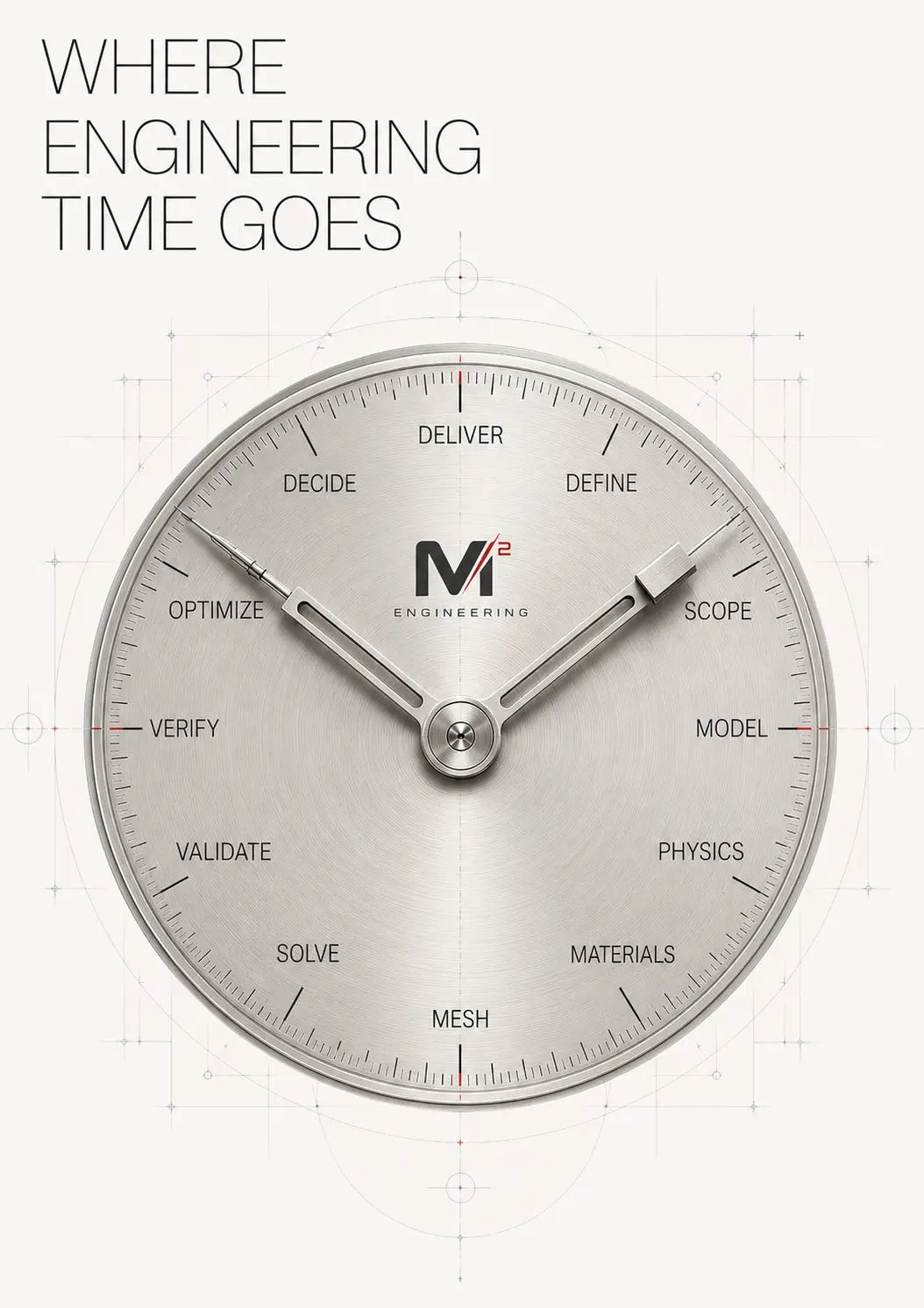
Most engineering time is spent framing problems, checking assumptions, and interpreting results, not generating plots.
Discuss modeling assumptions, validation strategy, or computational requirements for related engineering problems with M² Engineering.
Start a Technical Discussion